Key Takeaways
- Antibacterial soaps are formulated to reduce or eliminate certain bacteria: They contain ingredients intended to provide antimicrobial effects.
- Regular soap and water remain effective for everyday handwashing: Proper washing technique plays a major role in removing germs and debris.
- Some antibacterial ingredients have faced increased scrutiny: Research and regulatory reviews have raised questions about the safety and effectiveness of certain compounds.
- Not all antibacterial products contain the same ingredients: Formulations can vary widely between soaps, washes, and personal care products.
- Hand hygiene involves more than product selection: Washing duration, frequency, and technique all contribute to effective cleansing.
Health-conscious people across the nation, with the intention of keeping their families, workers, colleagues, students, patients, and customers safe, regularly stock up on soap products marketed as being “antibacterial.” It makes sense, since American consumers have long been led to believe that these kinds of products keep germs in check and reduce the risk of illness and infection. As a result of this heavily marketed idea, antibacterial soap has become a permanent staple in countless private and public settings.
What Is Antibacterial Soap?
So, what makes soap ‘antibacterial’? Antibacterial soaps contain a variety of active ingredients, not found in traditional soaps, which are purported to safely reduce the risk of bacterial infection. Is there credible evidence that these chemically infused soap products are, in fact, safe and effective?
Quite the opposite, as it happens.
Is Antibacterial Soap Bad?
According to the U.S. Food and Drug Administration’s (FDA) Center for Drug Evaluation and Research (CDER), not only are antibacterial soap products no more effective than traditional soap at reducing risk of bacterial infection, but there is evidence to suggest that the antibacterial ingredients they contain may be harmful to our health−and in more ways than one.
In fact, due to concerns about health risks associated with chemical additives in antibacterial soaps, the FDA banned 19 active ingredients in 2016 that had been commonly found in antibacterial soaps. According to the official FDA report, these banned ingredients include:
- Cloflucarban
- Fluorosalan
- Hexachlorophene
- Hexylresorcinol
- Iodophors
- Nonylphenoxypoly
- Ethanoliodine
- Methylbenzethonium chloride
- Phenol
- Secondary amyltricresols
- Sodium oxychlorosene
- Tribromsalan
- Triclocarban
- Triclosan
- Triple dye
Unfortunately, this list does not include every potentially hazardous ingredient lurking in these soap products. Three ingredients that manufacturers can still legally use in soap marketed as antibacterial−benzalkonium chloride, benzethonium chloride, and chloroxylenol−may be linked to asthma and other health problems, such as respiratory illnesses, skin irritation and dermatitis, and hypersensitivity to allergens.
The FDA issued its 2016 ruling banning the above ingredients not only because of the lack of credible science indicating that antibacterial soaps are more effective than plain soap and water, but also because the cumulative effect of repeated exposure to those ingredients might only be realized years later, as the clinical evidence of their long-term safety remains unknown.
Risks to Consider When Using Antibacterial Soap
Antibiotic resistance
Perhaps of even greater concern than unsafe additives is the fact that antibacterial soaps do not fully neutralize germs, leading the FDA to express concerns that ongoing use of the products may enable bacterial strains resistant to antibiotics to increase rapidly, which can contribute to dangerous antibiotic resistance. In other words, because chemicals in these products do not effectively eliminate all bacteria, repeated use over time can select for resistant strains of bacteria.
When bacteria develop resistance to the antibacterial agents in soaps, this can lead to a state of cross-resistance to antibiotics. Harvard Health researchers confirm that bacteria resistant to chemicals in antibacterial soaps may also be resistant to certain antibiotics. Antibiotic resistance occurs when bacteria change to resist antibiotics that were once effective, which can make serious bacterial infections harder to treat. Antibiotic resistance is a major global health threat that poses significant dangers to individuals, healthcare systems, and society.
Environmental concerns
Beyond worries about the health and safety of yourself and those you care about, you will also be helping the environment by avoiding chemically treated antibacterial soaps, because all of those additives eventually go down the drain and return to the Earth.
To the extent that these chemicals retain their active properties, they can create significant harm to algae, which is responsible for a significant percentage of the world’s oxygen. Algae are primary producers, converting sunlight into energy through photosynthesis, forming the base of the global food chain.
Damaging your skin barrier
If all that were not already daunting enough, another big reason to avoid chemical-laced antibacterial soaps is to reduce the risk of damaging your skin barrier, which is the protective shield created by the outermost layer of your dermis. This protective skin barrier serves several essential functions, such as:
- Slowing down the evaporation of water from your skin to help prevent dehydration.
- Effectively shielding you from unhealthy contaminants, harmful microorganisms, chemicals, and irritants.
- Sustaining your skin’s immune system.
Yes, your skin has its own immune system! As a protective interface between internal organs and the environment, the skin encounters a host of toxins, pathogenic organisms, and physical stressors. To combat these attacks on the cutaneous microenvironment, the skin functions as more than a physical barrier: we now know skin is an active immune organ.
The skin’s immune system, also known as skin-resident immunity or skin-associated lymphoid tissue (SALT), is a complex network of cells and components that defend the body against external threats while maintaining tissue homeostasis. It acts as a primary defensive barrier against infections and injuries, employing both innate and adaptive immune mechanisms.
Sadly, you can damage this barrier when you use harsh or irritating products, such as antibacterial soaps. Repeated exposure to the chemicals featured in these products can lead to dry, cracked, irritated, and inflamed skin, compromising your first line of defense against infections and injuries.
Antibacterial Soap Alternatives
If you have been in the habit of using antibacterial soap products in your home, business, church, school, or other locations, it is an easy problem to reverse. Healthier alternatives to antibacterial soap include plain soap and water, castile soap, and other natural soaps with ingredients like lavender, tea tree, and other essential oils with natural antibacterial and antimicrobial properties, two of which are aldehydes and phenols.
Aldehydes are a broad-spectrum disinfectant with the ability to sterilize and kill fungi, viruses, and bacteria. Phenols are antioxidant compounds that have also been shown to have antibacterial properties. Researchers have noted that these pathogen-destroying compounds in essential oils can effectively inhibit the growth of certain types of bacteria, including those that have become resistant to antibiotics in recent years.
Paying for soap products that are marketed as antibacterial is not only unnecessary, but it could also be downright counterproductive for you and your family from a personal and environmental health perspective. Better living through chemicals? Not in this case!
It is difficult to dispute the fact that the most effective way to get rid of germs is by washing our hands with plain, natural soap under running warm water for at least 20 seconds repeatedly throughout the day. Cheers to keeping your approach to soap simple, economical, clean, and healthy!
References:
- Arnold, W. A., Blum, A., Branyan, J., Bruton, T. A., Carignan, C. C., Cortopassi, G., Datta, S., DeWitt, J., Doherty, A.-C., Halden, R. U., Harari, H., Hartmann, E. M., Hrubec, T. C., Iyer, S., Kwiatkowski, C. F., LaPier, J., Li, D., Li, L., Muñiz Ortiz, J. G., . . . Xu, L. (2023). Quaternary ammonium compounds: A chemical class of emerging concern. Environmental Science & Technology, 57(21), 7645–7665.
- Cleveland Clinic. (2022). Antibiotic resistance: Causes, prevention, and systemic risks. Cleveland Clinic Health Library.
- Green Science Policy Institute. (2015). Scientists urge FDA to rule on controversial antibacterial hand soap ingredients. Green Science Policy Communications.
- Harvard Health Publishing. (2019). Are antibacterial products with triclosan fueling bacterial resistance? Harvard Medical School Health Blog.
- Salmon, J. K., Armstrong, C. A., & Ansel, J. C. (1994). The skin as an immune organ. Western Journal of Medicine, 160(2), 146–152.
- ScienceDirect. (2022). Cross-resistance in microbiology: Mechanisms, definitions, and chemical exposure pathways. Elsevier ScienceDirect Topics.
- Swamy, M. K., Akhtar, M. S., & Sinniah, U. R. (2016). Antimicrobial properties of plant essential oils against human pathogens and their mode of action: An updated review. Evidence-Based Complementary and Alternative Medicine, 2016, Article
- U.S. Food and Drug Administration. (2016). FDA issues final rule on safety and effectiveness of antibacterial soaps (FDA News Release). U.S. Department of Health and Human Services.
- U.S. Food and Drug Administration. (2020). Skip antibacterial soap: Use plain soap and water. FDA Consumer Updates. U.S. Department of Health and Human Services.
- Verywell Health. (2024). What you should know about antibiotic resistance: Superbugs and preventative strategies. Verywell Health Library.
DISCLAIMER:
These statements have not been approved by the Food and Drug Administration. These products are not intended to diagnose, treat, cure, or prevent disease.























































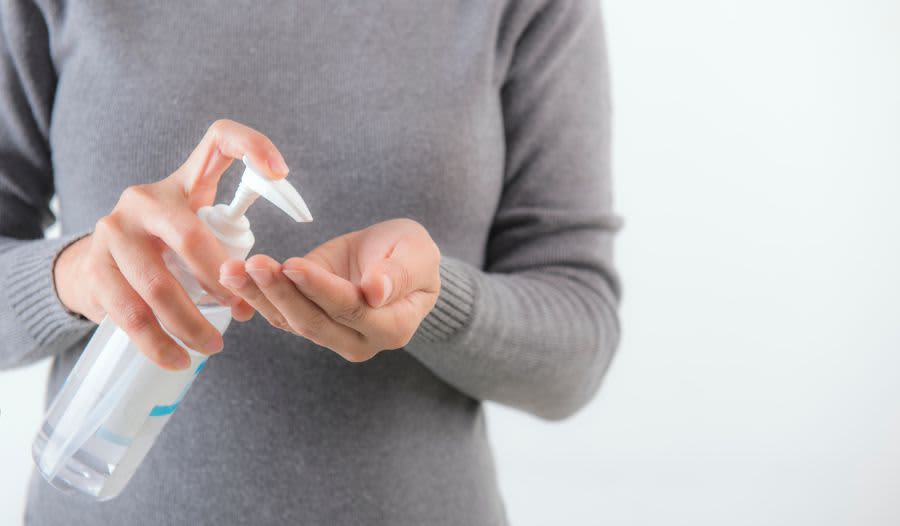
 Table of Contents